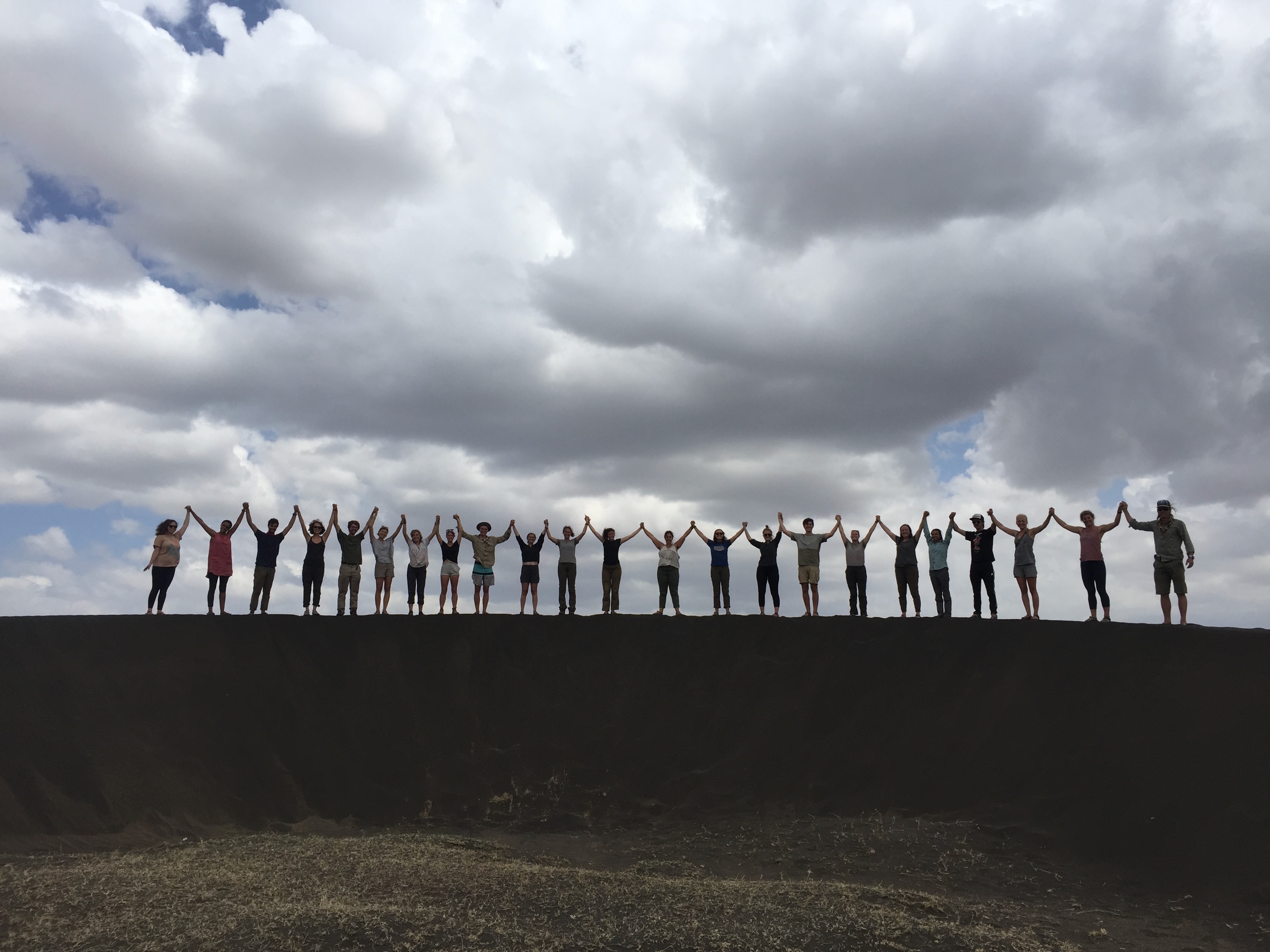
PhD and post-doc training and mentoring:
I hold a BA in Education and have been teaching, mentoring, training, and facilitating for more than 20 years.
- University of Basel – Sustainability Research
- Rutgers University – Institute for the Study of Employee Ownership and Profit Sharing
- University of Oregon – Department of Political Science
Graduate and professional teaching:
- University of California, Berkeley – Goldman School of Public Policy
- New York University – Center for Global Affairs
Undergraduate teaching:
- Lewis & Clark College – Department of International Affairs
- Tufts University – Tisch College of Citizenship and Public Service
- Colorado State University – Department of Sociology
Teaching, mentoring, and facilitating in other contexts:
- Yale University – Young Global Scholars Program
- Center for Intercultural Dialogue on Development – experiential learning retreats in Mexico
- New York City Public Schools – Institute for Collaborative Education
I have won several awards. In 2018, I was named “Teacher of the Year” (article and video here) by the Lewis & Clark student honor society, in consultation with the student body. The award recognizes a faculty member who, among the 140 faculty, goes “above and beyond the requirements of their position to enrich student learning both inside and outside of the classroom” and “demonstrates passion for his or her field of study, preparedness and grace in the classroom, adaptability to new ideas and learning styles, and wisdom and compassion as a mentor.” I was nominated again in 2021. As a graduate teaching assistant, I also received Brown University’s P. Terrence Hopmann Excellence in Teaching Award. The award recognizes two teaching assistants each year for outstanding service in the classroom, based on anonymous student evaluations and faculty recommendation.
Each year, I train, mentor, and supervise undergraduate research assistants at Lewis & Clark College. Students develop valuable research, writing, and professional skills while making critical contributions to research. My assistants include: Maggie Sholar (2014), McLane Harrington (2015), Sophie Owens (2015-16), Adrian Austin-King (2016), Jessie Simpson (2016), Maya Anthony-Crosby (2016), Jacob Weiss (2016), Ben Beecroft (2016-17), Ellen Schwartz (2016-18), Chloe Safar (2018), Nicole Godbout (2018-19), Maggie Coit (2019), Adaira Grohs (2019), Cole Harris (2019), Marshall Piotrowski (2019), Frank Schneegas (2020), Jesse Lawrence-Weilmann (2021), Sawyer Mauk (2022-5), Teresa Lourenco Serra (2024), Liv Ladaire (2025), Bri Deleon (2025-26), and Abby Burke (2026).
My teaching style is personal, experiential, and rigorous. My students need to know why they are in my class—how their work over the course of a semester satisfies an intellectual necessity. I help students to cultivate this sense of purpose, and honor it by employing assessment tools that reflect their personal and professional goals. My classes are experiential, in that students are always doing, creating, engaging the course material. I employ simulations, facilitate collaborative projects, connect intellectual work to field experiences, and otherwise require that students move beyond simple digestion and regurgitation of information. I demand critical thinking, intellectual investment, and thoughtful creativity, and provide ample feedback about progress in these areas. I take to heart Benjamin Franklin’s experience as a student, ‘Tell me and I forget, teach me and I may remember, involve me and I learn.’
I prioritize diversity, equity, inclusion, and belonging. I draw on both my own lived experiences and on decades of training and skill building. In the classroom and in advising and mentoring, I aim to foster a safe(r) space for opposing perspectives, different values and priorities, and a broad range of experiences. I do this, in part, by encouraging students to think of how their ideas and perspectives may differ from others in the class, campus norms, or what they have read, and then to share those opposing perspectives. I model how active listening, non-violent communication, and bringing curiosity to disagreement can facilitate a learning experience. I also practice transparent teaching by making my expectations and understanding of norms unequivocally explicit. This is an effort to “level the playing field” between students who have past educational experiences and cultural capital that allow them to understand unwritten rules, and those who do not. Finally, I explicitly draw connections to hierarchies of oppression as often as possible, including race, class, gender, and colonialism. I recognize the socially-constructed historical forces that create the problems that challenge sustainability today, and the ways in which persistent exclusion and inequity present barriers to potential solutions. At times, I have been a leader in this space. For example, from 2006-2011, I led an annual weekend retreat and taught a annual semester-long course focused on these themes for Tufts University’s Tisch Scholars Program. From 2002-2004, I designed and facilitated multi-week experiential learning retreats that included these themes for the Center for Intercultural Dialogue on Development in Mexico.
My yellow labrador retriever, Rhubarb, also loves to support students. Read about her here and here.
I am available on a limited basis for university keynotes, guest lectures, and graduate workshops. My full CV is here.